
Is Reformer Pilates Good for Beginners?
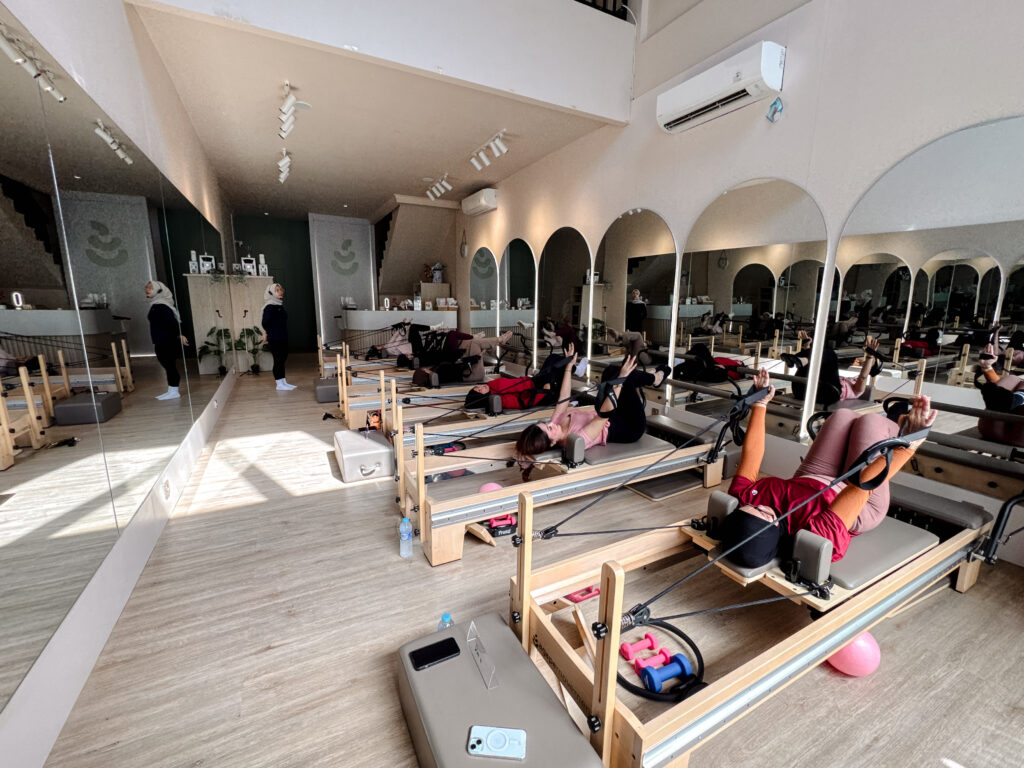
If you are curious about Reformer Pilates but have never tried it before, you may be wondering whether you are ready to begin. Perhaps you are not very flexible, have not exercised consistently, or feel unsure about using unfamiliar equipment.
The short answer is yes, Reformer Pilates can be suitable for beginners. You do not need previous Pilates experience, advanced strength, or a particular body type to start. What matters most is finding appropriate instruction, listening to your body, and allowing yourself time to learn.
Reformer Pilates is designed around controlled movement, resistance, support, and body awareness. These features can make it accessible for people who are new to structured exercise, as long as the class matches their experience and needs.
Why Reformer Pilates Can Work Well for Beginners
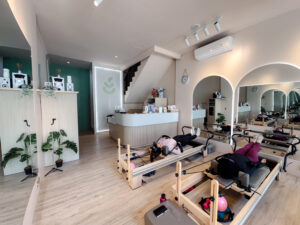
The Reformer may look complicated at first, but the equipment can make certain movements easier to understand and adjust.
Think of it as a guided movement system. The carriage, springs, footbar, and straps give you different ways to create resistance or support. Rather than asking you to rely only on body weight, the equipment can help you explore movement with more control.
A qualified instructor can adjust the springs, explain the equipment, and offer a simpler version of an exercise when needed. This means a beginner does not have to perform the same variation as someone who has been practising for years.
Pilates also places emphasis on quality rather than speed. You are encouraged to notice your breathing, alignment, stability, and coordination.[2] For a beginner, this can create a more thoughtful introduction to movement than simply trying to complete as many repetitions as possible.
The Pilates Foundation describes Pilates as a form of exercise that develops strength, mobility, balance, and body awareness through controlled and purposeful movement.[1]
Do You Need to Be Fit or Flexible?
No. You do not need to be especially fit or flexible before beginning.
Many people assume they need a strong core or a high level of flexibility to attend their first class. In practice, Pilates is often used to help people build a stronger movement foundation gradually.
Your starting point may be:
- Limited flexibility
- Low confidence with exercise
- A long break from regular movement
- Good general fitness but no Pilates experience
- Experience with other activities but unfamiliarity with the Reformer
- A desire to improve control, mobility, or body awareness
Every body begins somewhere different. A beginner-friendly session should offer enough guidance for you to understand the basic positions and movements without feeling pressured to keep up with more experienced participants.
Flexibility is also not the same as mobility. Flexibility generally refers to how far a joint or muscle can move, while mobility includes the control and coordination needed to use that range of motion. You can begin Pilates with limited flexibility and still work on developing more comfortable movement over time.
Who May Enjoy Starting with Reformer Pilates?
Reformer Pilates can be a good option for people who prefer a structured, instructor led class. It may also appeal to those who want a movement practice that combines strength, mobility, stability, and concentration.
People who prefer controlled exercise
Some people enjoy workouts that are energetic and fast-paced. Others prefer a slower approach that gives them time to understand each movement.
Reformer Pilates may suit you if you like:
- Clear instruction
- Deliberate movement
- A focus on technique
- Moderate, adjustable resistance
- Exercises that involve both strength and mobility
- Learning how your body responds to movement
People looking to build a movement foundation
If you are returning to exercise or starting a new routine, you may appreciate a practice that develops several movement qualities together.
A consistent Pilates practice can support awareness of:
- Core control
- Posture and alignment
- Balance
- Coordination
- Strength
- Range of motion
- Breathing
- Movement quality
This does not mean every class will feel easy. Beginner-friendly does not mean effortless. It means the exercises and instruction can be adapted so you can learn without needing advanced experience.
These movement qualities are some of the potential benefits people explore through consistent Reformer Pilates practice. For a closer look at how the practice may support strength, core control, mobility, flexibility, posture, balance, and body awareness, read our guide to the benefits of Reformer Pilates.
People who want an alternative to high impact exercise
Reformer Pilates is generally a low impact form of exercise, meaning it does not involve repeated jumping or running. The carriage and springs can create resistance while reducing the need for high impact movements.
That may make it appealing to people who prefer a more controlled training environment. However, low impact does not mean risk-free or suitable for every individual situation. If you have an injury, medical condition, or ongoing pain, it is sensible to seek appropriate professional guidance before starting.
Common Concerns Beginners Have
It is normal to have questions before attending a first class. Here are some of the concerns we hear most often.
“I have never done Pilates before.”
That is exactly what beginner instruction is for. You do not need to memorise Pilates exercises before arriving.
Your instructor should explain the basic equipment and provide cues as you move. It is also helpful to mention at the beginning of class that you are new so the instructor can offer extra guidance when needed.
“I am not flexible enough.”
You do not need to touch your toes or perform advanced stretches. Pilates can be practised within a comfortable range of motion.
The goal is not to force your body into a position. It is to explore movement with control and gradually become more familiar with your available range.
“I am worried I will look inexperienced.”
Everyone has a first class. The equipment can feel unfamiliar even to people who are generally active.
A supportive studio should make it acceptable to ask questions, pause when necessary, and learn at your own pace. Your experience is not measured by how quickly you understand every exercise.
“I am concerned that the workout will be too difficult.”
A Reformer class can be challenging, but the intensity can often be modified through spring settings, range of motion, exercise variations, and pacing.
A useful class is not one that leaves every participant doing the same thing. It is one where each person can work appropriately for their current level.
“I am not sure I can follow the instructions.”
Pilates involves listening, watching, and feeling your way through the movements. It may take a few sessions to become familiar with common terms and patterns.
You do not need to understand everything immediately. Focus on one instruction at a time, ask for clarification when needed, and remember that movement learning develops through repetition.
When Should You Take Extra Care?
Reformer Pilates can be adapted for many people, but individual circumstances matter.
It is a good idea to speak with a qualified healthcare professional before starting a new exercise routine if you have:
- A recent injury
- Ongoing or unexplained pain
- A recent surgery
- A medical condition that affects movement or balance
- Pregnancy related questions
- A history of dizziness or difficulty exercising
- Specific rehabilitation needs
This does not automatically mean you cannot practise Pilates. It simply means that your class may need additional planning or individual instruction.
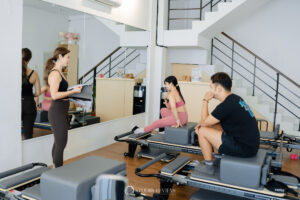
Tell your instructor about any relevant concerns before the session begins. During class, stop and ask for help if a movement feels sharp, painful, unstable, or otherwise unusual.
Pilates should not be treated as a replacement for medical care. Its role is to support movement and exercise within an appropriate setting.
INSTRUCTOR TIPS
“You don’t need to be good at Pilates before your first class.”
If you’re new to Reformer Pilates, your first few sessions are about learning how the equipment works, understanding the basic movements, and becoming comfortable with the instructor’s cues. It’s completely normal to need a few sessions before everything starts to feel familiar.
Putri, Agape Movement Instructor
How to Know If a Class Is Beginner Friendly
Before booking, look for clear information about the class level and the type of instruction provided.
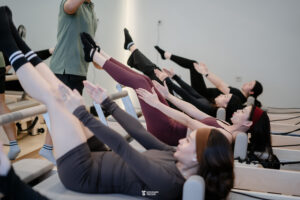
A beginner friendly Reformer Pilates class may include:
- An instructor led format
- An explanation of the Reformer equipment
- Time to learn foundational movements
- Options for different experience levels
- Encouragement to ask questions
- Clear guidance around adjustments and safety
- A manageable pace
- No expectation that everyone will perform advanced exercises
You can also contact the studio before attending and ask:
- Is this class suitable for someone with no Pilates experience?
- Will the instructor explain the equipment?
- How many people are usually in the class?
- Are modifications available?
- Should I mention any injuries or movement concerns before arriving?
These questions can help you choose a setting where you feel informed rather than rushed.
Reformer Pilates or Mat Pilates for a Beginner?
Both Reformer Pilates and Mat Pilates can be suitable for beginners, but the experience is different.
Mat Pilates uses a mat and body weight as the main source of resistance. It can be convenient and may help you learn foundational movements without using equipment.
Reformer Pilates adds the moving carriage, springs, footbar, and straps. These features provide adjustable resistance and support, while also introducing more variables to learn.[3]
A simple comparison:
Reformer Pilates
- Uses specialised Pilates apparatus.
-
Resistance comes partly from springs.
-
Equipment can provide support and feedback.
-
Often instructor-led in a studio setting.
-
May offer more movement variations.
Mat Pilates
-
Uses a mat and body weight.
-
Resistance mainly comes from body position and gravity.
-
Requires fewer equipment adjustments.
-
Can be practised in classes or at home.
-
Can be easier to access independently.
Neither option is automatically better. The right starting point depends on your preferences, access, goals, and comfort level.
If you enjoy hands on instruction and want to explore adjustable resistance, Reformer Pilates may be a useful place to begin. If you prefer simplicity or want to practise at home, Mat Pilates may feel more approachable.
For a fuller comparison of the equipment, resistance, accessibility, and movement experience, read our guide to Reformer Pilates vs Mat Pilates.
What Happens If You Decide to Try a Class?
Once you have chosen a suitable class, the next step is simply to arrive ready to learn. Wear comfortable clothing that allows you to move freely, and give yourself enough time to settle into the studio.
Let the instructor know that you are new. You may not perform every movement perfectly, and that is completely normal. Your first session is about becoming familiar with the equipment, understanding the basic principles, and noticing how your body responds.
For a more detailed explanation of the equipment, class structure, and what to bring, read our guide on what to expect in your first Reformer Pilates class.
How Agape Movement Supports Beginners
At Agape Movement, classes are designed for different levels of experience, including people who are completely new to Pilates. Instructors guide members through the movements and help them build confidence with the equipment.
The focus is not on comparing your body or performance with anyone else. It is on finding a pace and class format that helps you move with intention.
You can explore the available Pilates Classes at Agape Movement to learn more about Reformer Pilates, Mat Pilates, private sessions, and other programs. If you would prefer more individual attention, a private session may also be worth considering.
So, Is Reformer Pilates Good for Beginners?
For many people, yes. Reformer Pilates can be a welcoming starting point because the exercises are adjustable, the equipment offers both resistance and support, and instructors can guide you through the foundations.
You do not need to be flexible, strong, experienced, or completely confident before you begin. You only need a suitable class, realistic expectations, and a willingness to learn.
The most important question is not whether you already look or move like a Pilates practitioner. It is whether you can find an environment that respects your starting point and helps you build from there.
If you are ready to explore the practice, find an Agape Movement Pilates studio and choose a class that fits your routine and goals. A stronger movement foundation can begin with one informed, comfortable step.
Important: This article is for general educational purposes and is not a substitute for personalised medical or professional advice. If you have an injury, medical condition, ongoing pain, or specific rehabilitation needs, consult an appropriate healthcare professional before starting a new exercise routine.
Footnotes
- Pilates Foundation. “About Pilates.” https://www.pilatesfoundation.com/about-pilates. Accessed October 2026.
- Cleveland Clinic. “Pilates 101: What It Is and Health Benefits.” https://health.clevelandclinic.org/everything-you-want-to-know-about-pilates. Published March 10, 2023.
- Kloubec, June. “Pilates: How Does It Work and Who Needs It?” Muscles, Ligaments and Tendons Journal, 2011. Available through PubMed Central: https://pmc.ncbi.nlm.nih.gov/articles/PMC3666467/